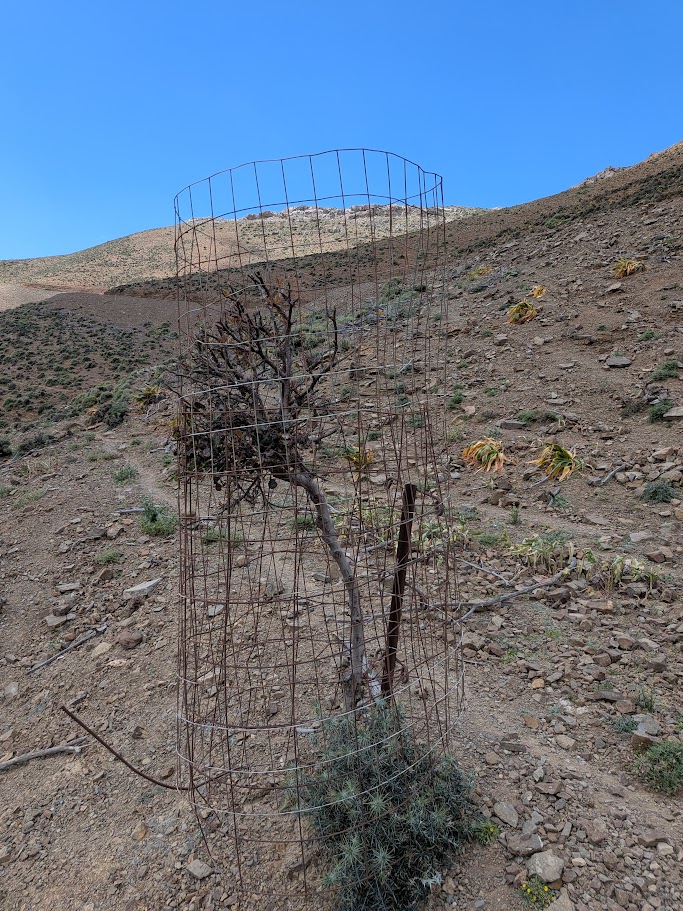
Habitat restoration actions form the operational core of NewLIFE4BioIslands, delivering the on-the-ground interventions that will restore ecological functionality across the project’s intervention areas in Spain, Italy, and Greece. The task combines targeted restoration measures with landscape-scale connectivity actions to support pollinators, native vegetation, and ecosystem resilience.
The main restoration actions include:
- Site preparation: Restoration measures will be adapted to the ecological conditions of each habitat and may include the selective removal of invasive or competing vegetation, reduction of fire-prone biomass, and soil improvement where necessary.
- Creation of biodiversity islands: Protected restoration plots will be established as high-diversity habitat refuges for pollinators, using native plant species selected to provide structural diversity and flowering resources throughout the year.
- Demonstration forest islands: Selected sites will include dense native forest restoration areas designed to accelerate ecological recovery, improve water retention, and reduce soil erosion.
- Restoration of the surrounding landscape matrix: Lower-density planting and habitat enhancement actions will improve ecological connectivity between biodiversity islands and facilitate the movement of pollinators and other wildlife across the landscape.
- Restoration of priority habitats of European conservation interest: Actions will target protected habitat types, including Juniperus forests (9560*), Mediterranean pseudo-steppes (6220*), and alpine and subalpine calcareous grasslands (6170), contributing to the recovery of habitats protected under the EU Habitats Directive.
Through this integrated restoration approach, the project will restore degraded habitats, strengthen ecological connectivity, and enhance biodiversity across Mediterranean and Macaronesian landscapes.